Art & History Museum
Embark on a fascinating journey through art and history!
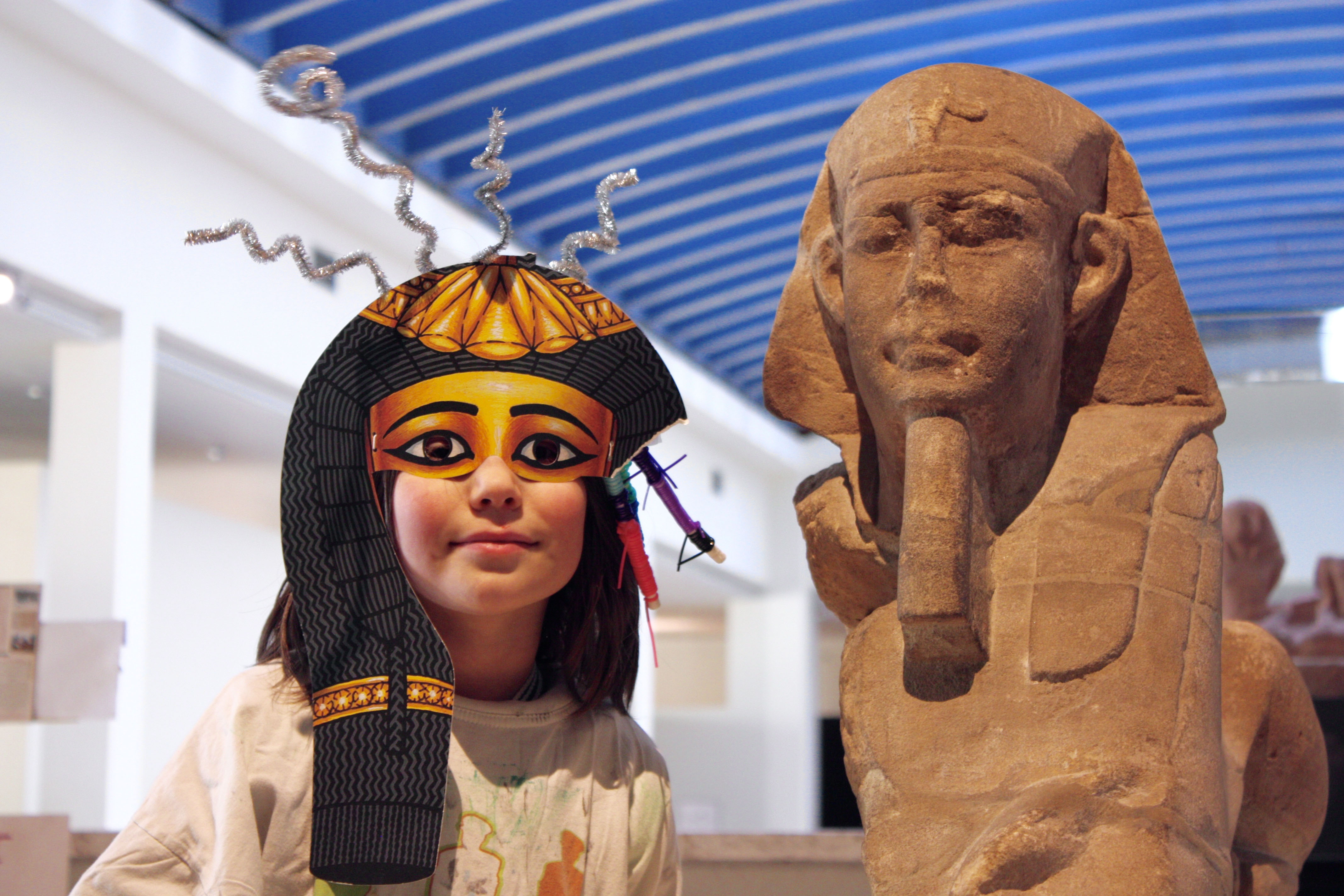
Come and stroll among the prehistoric flints and Egyptian mummies, walk between the ancient glasses and stand back to contemplate the impressive medieval tapestries.
Immerse yourself in the oriental world as you pass Asian Buddhas and travel to the other side of the world to see pre-Columbian statuettes.
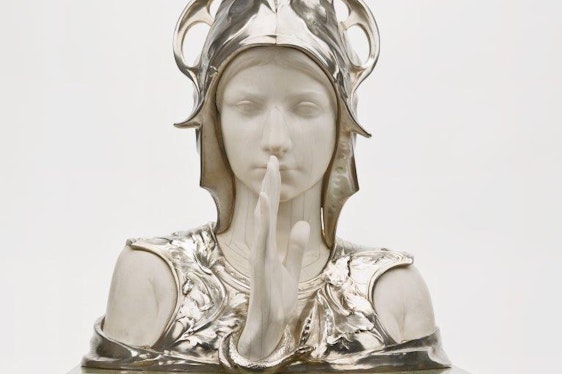
You still have to admire the magnificent collection of Belgian Art Nouveau...
Come and stroll among the prehistoric flints and Egyptian mummies, walk between the ancient glasses and stand back to contemplate the impressive medieval tapestries.
Immerse yourself in the oriental world as you pass Asian Buddhas and travel to the other side of the world to see pre-Columbian statuettes.
You still have to admire the magnificent collection of Belgian Art Nouveau...
- Monday : Closed
- Tuesday : -
- Wednesday : -
- Thursday : -
- Friday : -
- Saturday : -
- Sunday : -
- T. +32 2 741 73 31
- Parc du Cinquantenaire 10 Jubelpark - 1000 Brussels
- www.artandhistory.museum
-
Price
Normal: 20,00 € - Jeunes: 15,00 €
Découvrez les nouvelles salles Arts décoratifs du XIXe siècle, Art nouveau et Art déco belges lors d’une visite exclusive en compagnie d’un·e conservateur·trice. Quels choix ont été posés ? Et pourquoi ? Chaque conservateur·trice partage sa vision, son expertise et son engagement personnel dans la réalisation du projet. Les pièces les plus évocatrices - et les histoires qu’elles racontent - seront bien entendu mises en lumière. Cette visite unique vous invite à découvrir les collections et le musée autrement, en dialogue direct avec les forces vives derrière le projet.

-
Opening times
27/11/2025 - 29/03/2026: * monday: closed * tuesday, wednesday, thursday and friday: from 09:30 to 17:00 * saturday and sunday: from 10:00 to 17:00
-
Price
Normal: 10,00 € - Etudiants: 4,00 € - Seniors: 8,00 € - Enfants: 0,00 €
Located in the heart of the Andes, between the Pacific Ocean and the Amazon, the region corresponding to present-day Ecuador witnessed a remarkable cultural development in the pre-Hispanic period. Long before the arrival of the Spanish in the 16th century, it was home to a mosaic of societies with diverse traditions, organized in networks of exchange linking the Costa (the coast), the Sierra (the highlands), and the Oriente (the Amazonian region). These populations created an exceptional material culture: finely decorated ceramics, objects crafted from stone, metal, or shell, reflecting both advanced technical skills and deep symbolic meaning. The “Ecuador” collection of the Royal Museums of Art and History comprises over 400 artifacts. Only about twenty items are currently on display in the permanent galleries. Long kept in storage without precise cultural attributions, they have recently been the focus of a study and outreach project. This temporary exhibition offers an opportunity to present a selection of these remarkable works to the public, sharing the results of this research and highlighting the cultural richness of a lesser-known region of the Andes.

-
Opening times
01/02/2026 - 08/03/2026: * monday, tuesday and wednesday: closed * thursday, friday, saturday and sunday: from 19:00 to 22:00 26/12/2025 - 28/12/2025: * monday, tuesday, wednesday and thursday: closed * friday, saturday and sunday: from 17:30 to 22:00 02/01/2026 - 31/01/2026: * monday, tuesday and wednesday: closed * thursday, friday, saturday and sunday: from 17:30 to 22:00
-
Price
Normal: 7,00 €